Following our 2025 reflections, in Q1 we’ve moved from prioritizing to actively iterating on our 2026 themes:
- Making AI Practical, Trustworthy, and Valuable
- Shifting Business Value and Measuring Outcomes
- Emerging Roles and Organizational Change
In particular, we’ve been focused on evolving how we approach the topic of value creation as Consortium Members look for opportunities to reframe strategy, realign with stakeholders, and reconsider cross-functional positioning.
Making AI Practical, Trustworthy, and Valuable
How do we make AI actually work for customers, employees, and the business, without eroding trust?
AI has continued to be a prevalent topic across all 24 events and working sessions we hosted in Q1. Some practical opportunities stand out.
Case Interception
Momentum is building for embracing Case Interception (as opposed to Case Deflection) to better articulate how self-service and automation resolve questions before the need for human assistance. Join the conversation on LinkedIn!

Connecting Agentic AI to KCS and Intelligent Swarming
Jeff Elser, Senior Product Manager of Content Intelligence at Oracle, recently connected agentic AI to real-world challenges and existing assumptions in a three part series for Consortium Members. His mix of deep experience with AI and with knowledge-driven organizations made these sessions especially valuable.
View the recap for key takeaways and ways to think about AI, value delivery, and the future of work.
Being explicit about the relationship between knowledge and AI is a helpful exercise in narrowing scope, defining or defending a use case, and identifying measurable results. We’ll continue the conversation during an Innovation Lab in June: Knowledge with AI, Knowledge from AI, Knowledge for AI.
Shifting Business Value and Measuring Outcomes
How does KCS support long-term strategic enablement?
Acceleration in AI adoption has increased dependency on reliable knowledge to enable and measure value creation. Consortium Members report that KCS continues to be the great enabler of success.
The Next Era of KCS
Members have been collaborating on important updates to refresh KCS guidance and the next era of KCS is almost here! Good news: The fundamentals are more critical than ever. The refreshed KCS Practices Guide will fill gaps, update terminology, and be more concise.
KCS has always been tool agnostic and that also means who/how the work gets done is agnostic! Capturing and reusing knowledge (or solutions) can be done by humans or machines.
Register for an early look at the new version and stay tuned for more!

Evolution of the Evolve Loop
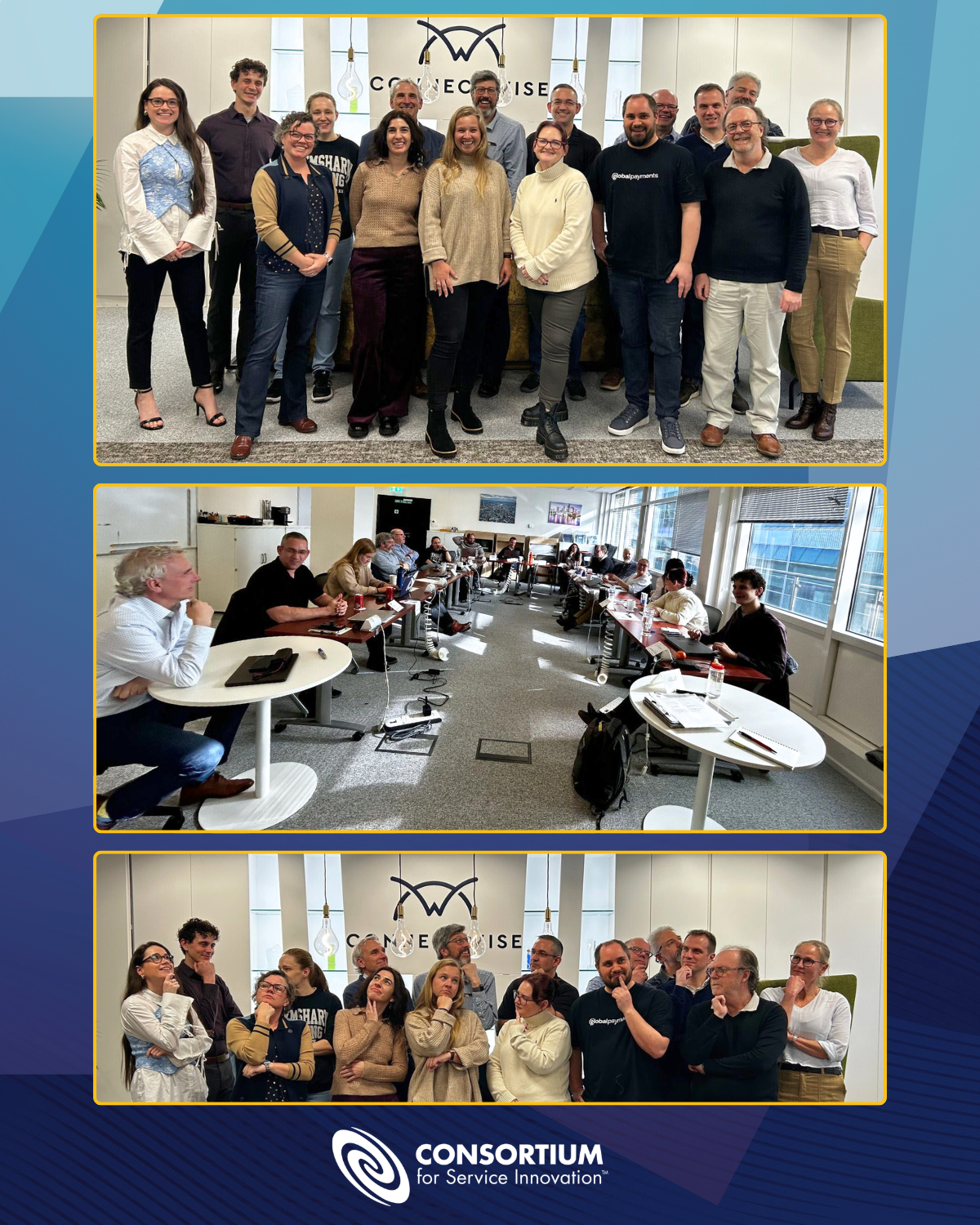
ConnectWise hosted Consortium Members for two days at their office in London. We had great conversations about reframing the value of knowledge work from cost center to revenue protection and operational impact – a theme that runs through many current discussions (and one we’ll talk about at Summit!).
Rockwell, NetApp, Splunk, and Motorola shared how their Knowledge Domain Analysis programs are evolving, and how important it is to identify specific pain points or meaningful outcomes before “turning on AI” (or any tool). What does success look like, and who outside of support needs to know about those successes?
Open Space included conversations about:
- The intersection of AI and knowledge management.
- Coaching, governance, and PAR reviews.
- Article creation and identifying content gaps.
Consortium Members: Check out full notes and takeaways in the Member Wiki.
Measuring and Communicating Value
Another group of Members is meeting biweekly to further dig into value generation and measures. Their goal is to create a framework for demonstrating value, data-driven storytelling, and the evolving role of AI in our knowledge ecosystem.
Emerging Roles and Organizational Change
How do we redesign support organizations to thrive as AI reshapes expectations?
Consortium methodologies and models are evolving for this new era of Knowledge Management practices, context engineering, organizational design, and success measures.
Innovation Lab: Organizational Change & Emerging Roles
This virtual Innovation Lab highlighted that success remains rooted in the evergreen necessities of trust, human collaboration, and adaptive leadership.
Personal Leadership and Accountability: Effective leadership in complex systems requires identifying personal values and validating work, adhering to the principle that you “get what you inspect, not what you expect” to avoid the erosion of trust within teams.
New public resource – Taking Leadership Personally: Turning Principles into Action.
Radical Collaboration: Organizations must foster alignment with internal teams, external allies, and customers for co-creation. Follow the mantra “if it’s about us, don’t do it without us”.
Evolution of Roles and Skills: Support work is evolving into specialized roles such as agentic architects and AI support specialists, requiring a shift toward human-centric skills like emotional intelligence, critical thinking, and managing the emotional toll of technology change.
Digital Library and Member Wiki Enhancements
The Digital Library and Members-Only Wiki has a refreshed design and exciting enhancements!
- Streamlined layout and visual changes that bring more consistency across Consortium resources.
- Functional enhancement – the KCS Practices Guide, Intelligent Swarming Practices Guide, and other larger references now have left-nav table of contents to improve usability of these important resources.
Whether you’re brand new to the Consortium for Service Innovation or have been around for years, this guidance is designed to help you get more value from the resources, people, and experiences available to you.
Check Upcoming Events for ongoing opportunities to collaborate and follow us on LinkedIn or YouTube for more!
Join us for a recap of the 2026 Summit and hear an update on the great work Consortium Members presented there.