Service Innovation Summit 2026, the premier conference for people shaping the future of customer engagement, was an opportunity to reflect current progress while strengthening our foundation for what’s ahead.
With 117 practitioners from 56 companies gathered in Scottsdale, Arizona, the event was a focused exploration of how we actually make meaningful improvements when the pace of technology change is overwhelming.
Conversations reflected a noticeable shift happening across service, support, knowledge, and customer engagement organizations. If 2025 was the year of AI experimentation, 2026 is the year of operational integrity.
Agenda Overview
Day One
- Support and Services as the Company Value Engine (Matt Seaman, Consortium)
- Wright & the Importance of Context (Fred Prozzillo, Frank Lloyd Wright Foundation)
- Turning AI Hype into Measurable Business Value (Jeff Elser, Oracle)
- The Next Era of KCS: First Look (Kelly Murray, Consortium)
- Splunk + Cisco: Integration, GenAI Articles and KCS Success (Marco Montero, Splunk)
- Coaching Considerations in a World of AI (Lana Kosnik & Francisca Vigil, Upland Software)
- KCS and AI: Designing for Agnostic Use Cases in an AI-First Environment (Tab Berger, Cisco)
- Right Channel, Right Time: Rethinking How Customers Get Help (Janine Deegan & Steve Springer, Smarsh)
- Building an AI Program Your Executives Can Believe In (Monique Cadena, Ping Identity)
- The Importance of a Coherent Organization (Brad Smith, Vector Business Navigation)
Day Two
Open Space Day – attendees gathered into 45 self-organized topics throughout the day.
Day Three
- Executive Interview: Leading Teams Through the Rapid Evolution of Service Organizations (Helen Byrne, Twilio, and Andrew Wilson, Rapid7)
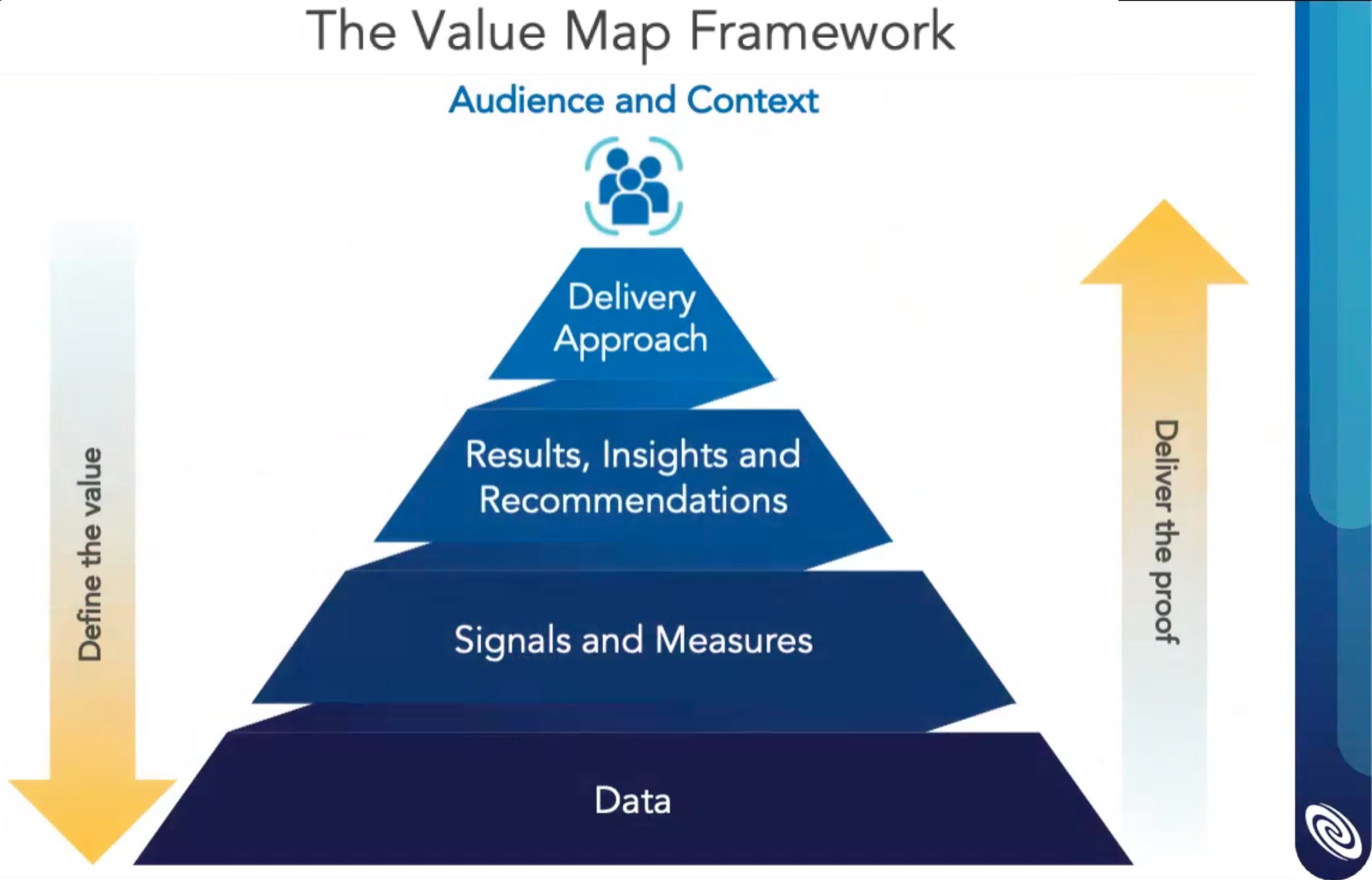
- Measuring and Communicating Value (Christina Roosen, Consortium, Albert Myles, Red Hat, and Mark Churchill, Rockwell Automation)
Watch or read about the key takeaways and shifts in thinking that emerged from our three days together.
How can we change the narrative around the value we deliver to our organizations?
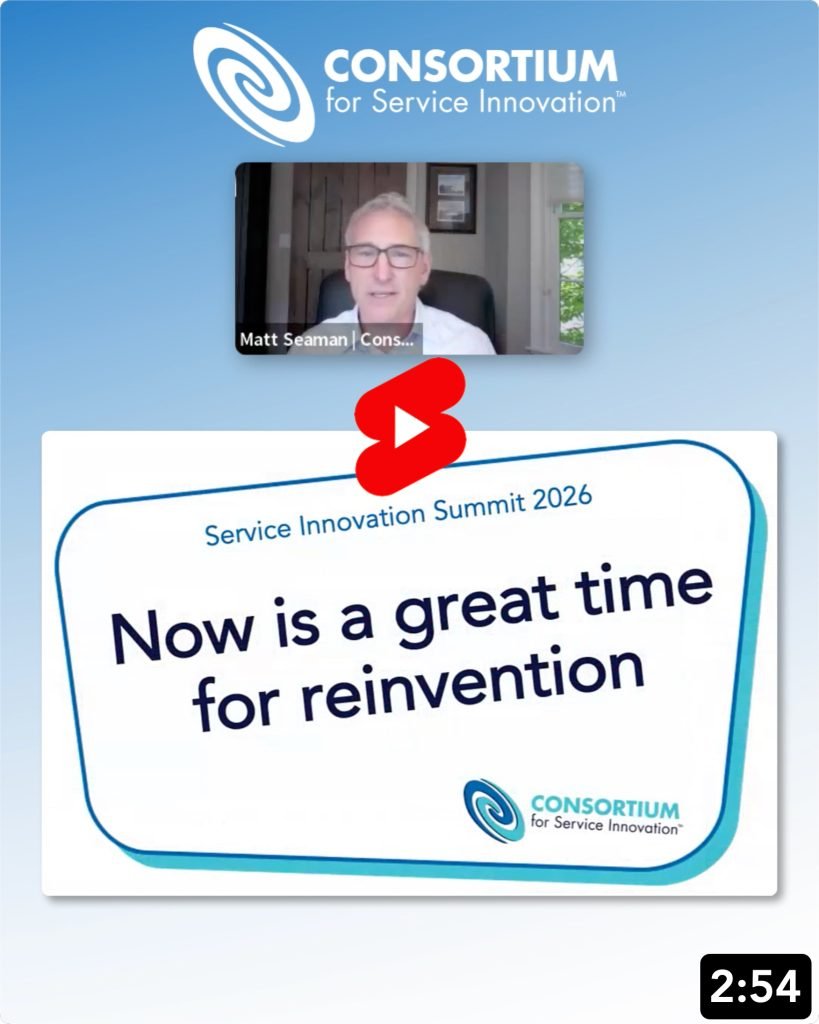
This quick highlight from Service Innovation Summit 2026 showcases the latest frameworks to modernize service delivery. (Or watch the full recap replay below.)
Knowledge Is Becoming Operational Infrastructure
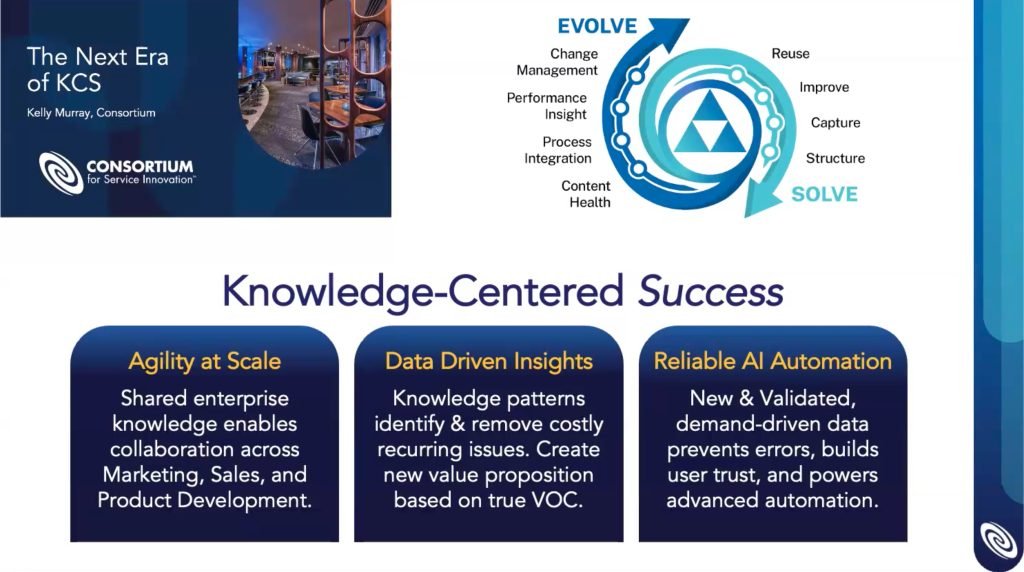
Across presentations, one message in particular stood out: AI success depends on trusted knowledge.
Speakers highlighted the growing importance of:
- structured and reusable knowledge
- continuous improvement
- operational context
- governance and quality practices
- reducing friction between people, systems, and information
Rather than treating knowledge as static documentation, organizations are increasingly treating it as a living system that enables learning, adaptation, and scalable AI experiences.
We are transitioning from experimental innovation to large-scale intelligent infrastructures.
Matt Seaman
Organizations Are Repositioning the Value of Service
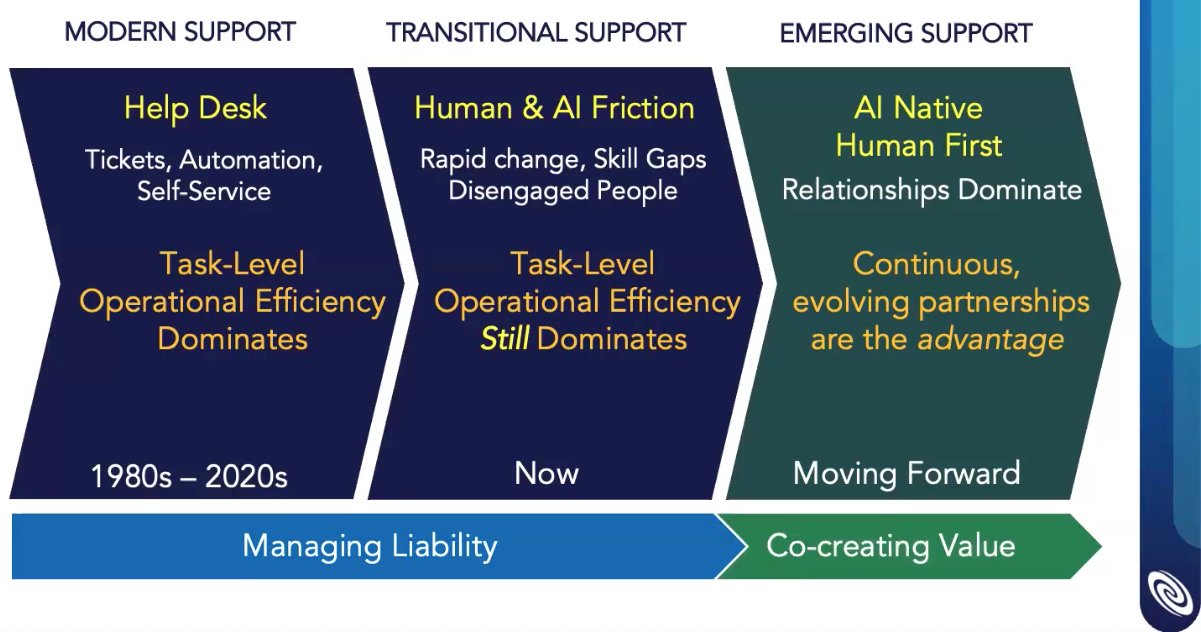
Several presentations challenged traditional assumptions about support and service organizations.
As automation changes demand patterns, attendees discussed how service organizations are becoming:
- insight generators
- relationship builders
- operational intelligence hubs
- drivers of organizational learning
The conversations focused less on ticket reduction metrics and more on long-term value creation for customers, employees, and the business.
The Nature of Work Is Changing
Multiple sessions explored the shift from AI experimentation toward operational reality.
As more repetitive work becomes automated, organizations are seeing increased demand for skills like judgment, adaptability, collaboration, and communication. Discussions around emerging roles reflected how quickly responsibilities are evolving.
Adaptability is a Leadership Requirement
Leadership discussions throughout the Summit focused on navigating constant change.
Speakers and attendees explored challenges around:
- change management fatigue
- redesigning workflows responsibly
- balancing efficiency with sustainability
- building trust during transformation
- helping teams adapt as expectations shift
The emphasis was not on chasing trends, but on creating organizations that can continuously learn and evolve.
Experience Offers Perspective
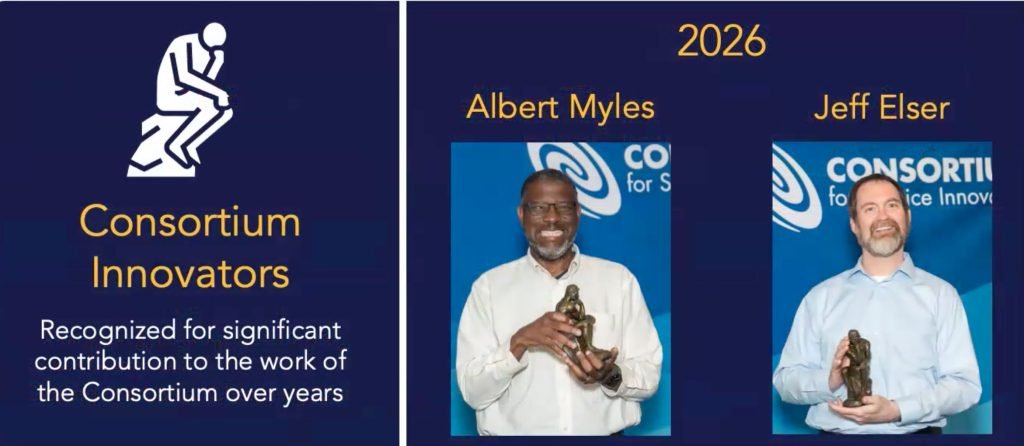
One of the most valuable aspects of the Summit is the ability to compare experiences across industries and roles. Over three days of presentations, Open Space conversations, and group breakfasts, lunches, and receptions, attendees had the opportunity to hear many different perspectives and approaches (~45 defined topics, all told!). Congratulations to Albert Myles from Red Hat and Jeff Elser from Oracle for being named Consortium Innovators for their long-time participation and influence in the community.
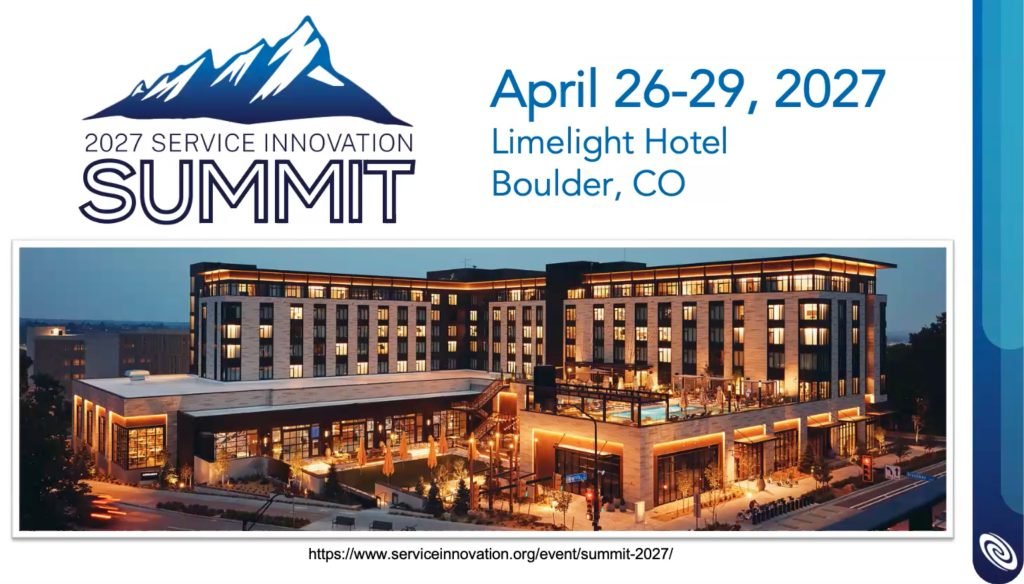
The presentations, discussions, and Open Space conversations reflected a shared reality: organizations are all trying to figure out how to adapt work, knowledge, leadership, and customer engagement for the next era of AI and automation. Join us for this event next year in Boulder, CO!
Recap Replay
Replay below or directly on YouTube.